Photojournalism Final

One out of every four college students suffer from some form of mental illness, including depression. Recent studies reveal that this generation of university students is at a greater risk for anxiety and depression because they face higher debt and fewer job prospects than previous generation students. Many of these students will drop out.
In addition to dropping out, depressed students are at a greater risk of developing problems such as substance abuse. More than two-thirds of young adults with substance abuse issues also suffer from a diagnosable mental illness such as depression. Self-medicating with cannabis and psychostimulants like cocaine often worsen the depression. Marijuana is the most widely used illicit substance among those with depressive disorders. It can be effective in treating depression, but only in small doses, too much can worsen symptoms. Cocaine is also used to distract from depression, but the “come-down” feeling after the drug has worn off hardly makes it an effective long-term solution for depression. Along with worsening symptoms, another huge risk factor of using cocaine as a way to self-medicate is running the risk of sudden heart failure, as the drug speeds up the function of the heart.

Alcohol abuse is often used to cope with a variety of mental health conditions, including depression. One of the biggest risks in turning to alcohol as a way of coping with depression is the risk of it leading to addiction. Alcohol often times worsens depression and alcoholism can be extremely difficult to overcome and require months of recovery.

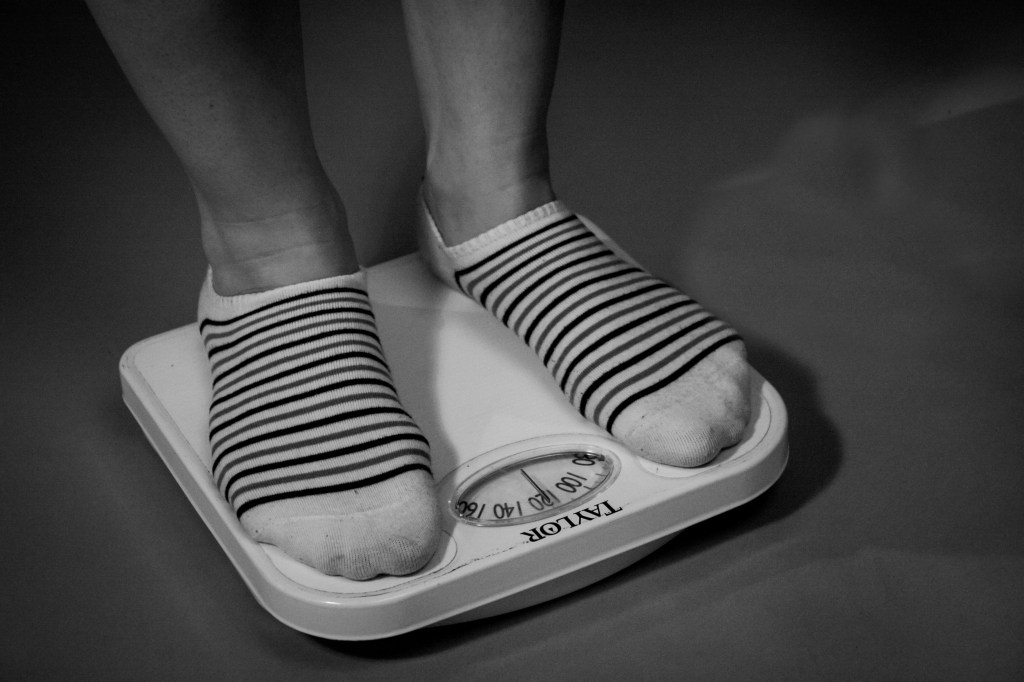
Depression can lead to eating disorders like anorexia, bulimia and binge eating. Being severely underweight and malnourished, which is common in anorexia, can cause physiological changes that are known to negatively affect mood states. People who develop eating disorders feel as though they aren’t good enough. Anorexia, refusing to eat, is a way of coping with depression by punishing oneself. “Comfort eating” or binge eating temporarily reduces stress.
Many people with depression shut themselves off from the world. They may isolate themselves, not answer their phone or refuse to go out with friends. They may experience a lack of interest in activities and people they once enjoyed.
Suicide is the third leading cause of death among college students. Young people diagnosed with depression are five times more likely to attempt suicide than adults. At least 19% of young adults in the United States either contemplate or attempt suicide every year. The majority of suicide attempts are expressions of extreme distress that need to be addressed, and not just a harmless bid for attention. A suicidal person should not be left alone and needs immediate mental health treatment.

About 44% of college students report having symptoms of depression and at least 75% of them are reluctant to seek help due to social stigmas related to depression. College is a stressful environment for most young adults, therefore it’s especially important for parents, friends, faculty and counselors to get involved if they suspect a student is suffering from depression.
If you or someone you know suffers from depression or any of these above topics, please call these lines for help.
National Suicide Prevention Lifeline: 1-800-273-8255
National Eating Disorder Association Helpline: 1-800-931-2237
Substance Abuse and Mental Health Service Administration’s National Helpline: 1-800-662-4357
 A Life Full of Laughter