Advanced Photography Final
[December 8, 2015]
Artist Statement: I chose to focus my project on wildlife conservation because as an avid animal lover I think that it’s important to save every species. We all know every species has its place in the ecosystem and losing one species can set the ecosystem off balance. Biodiversity is the variety of life (its ecosystems, populations, species and genes). Saving endangered species, both plants and animals from being extinct is crucial for our health and the future of our children. As species are lost so too are our options for future discovery and advancement. The impacts of biodiversity loss include fewer new medicines, greater vulnerability to natural disasters and greater effects from global warming.
I picked the bald eagle specifically for this project because not only is it a symbol for freedom, a value I cherish the most, but also because there are bald eagles right here down at the Susquehanna River, my home away from home. When I was in high school I spent my summer days volunteering at the zoo near my house as a public educator. One of my favorite exhibits was the bald eagle because it was an open air exhibit and many people thought the birds had their wings clipped and that’s why they didn’t fly away. I would have to tell them that actually all three of our eagles were injured in the wild and will never be able to fly. We brought them to the zoo to help save them since they would have died in the wild. I would then go into my speech about how the bald eagle was endangered and why and then why it is important to save them. I can no longer volunteer at the zoo since it was a high school program I was involved in, but I still like to go and see them and I love seeing them when I’m at school down at the Susquehanna River.
Final Story for my Advanced Photography class:
Distinguished by a white head and white tail feathers, bald eagles are powerful, brown birds that may weigh 14 pounds and have a wingspan of 8 feet. Male eagles are smaller, weighing as much as 10 pounds and have a wingspan of 6 feet. It takes about four to five years for a bald eagle to acquire their white head and are sometimes mistaken for golden eagles until this time. The bald eagle lives among the rivers, lakes, marshes, and seacoasts of North America. A majority of their diet is made up of fish, but they will also prey upon other birds and small mammals, such as rabbits. Eagles mate for life, choosing the tops of large trees to build nests, which may reach 10 feet across and weigh half a ton. In treeless regions, they may also nest in cliffs or on the ground. Bald eagles may live 15 to 25 years in the wild, longer in captivity. Breeding bald eagles typically lay one to three eggs once a year, and they hatch after about 35 days. Within three months the young bald eagles are flying and about a month later they are on their own. Approximately 70% survive their first year of life as disease, lack of food, bad weather and human interference kill many eaglets.
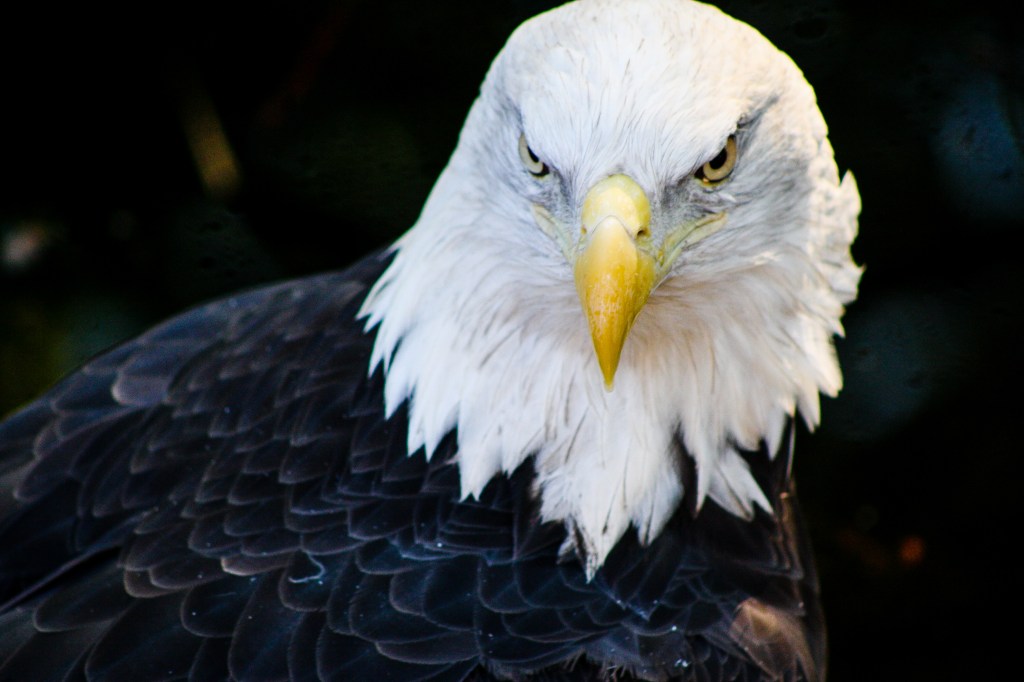
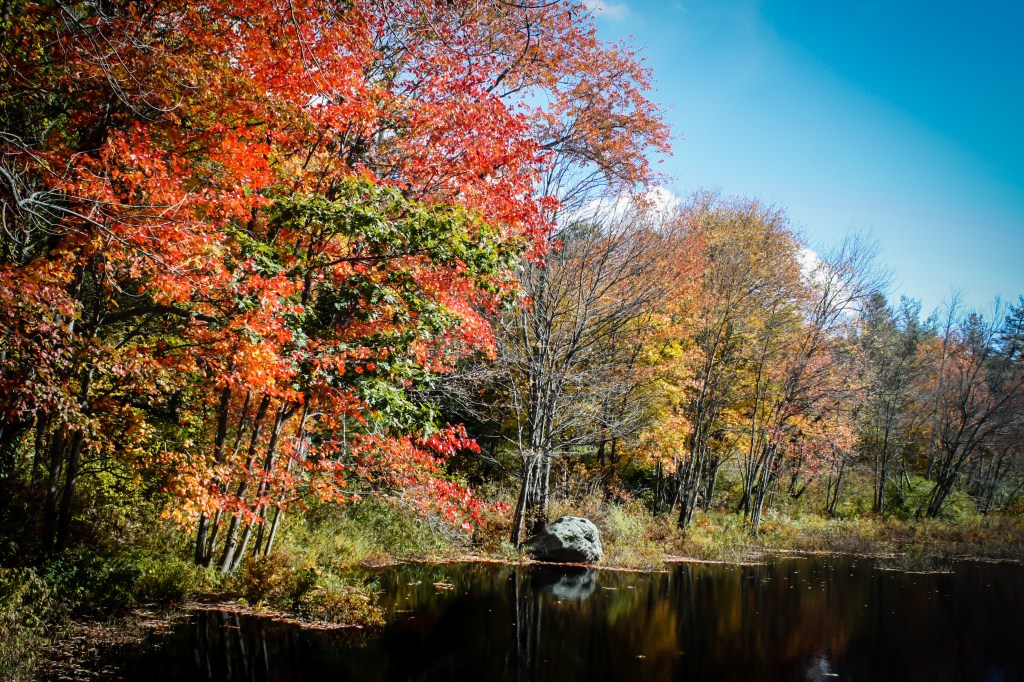
Forty years ago, our national symbol was in danger of extinction throughout most of its range. Habitat destruction and degradation, illegal shooting, and the contamination of its food source, largely as a consequence of DDT (Dichloro-Diphenyl-Trichloroethane, a man made chemical used to control insects on crops), decimated the eagle population. In 1782 when America adopted the bald eagle as the national symbol, the country may have had as many as 100,000 nesting eagles. The first major decline of the species probably began in the mid to late 1800’s, coinciding with the decline of waterfowl, shorebirds, and other prey. The bald eagles then began preying on chickens, lambs and domestic livestock. Consequently, the large raptors were shot in an effort to eliminate a perceived threat. By 1963 there were only 487 nesting pairs of bald eagles remaining, the species was in danger of extinction. Loss of habitat, shooting, and DDT poisoning contributed to the near demise of our national symbol.

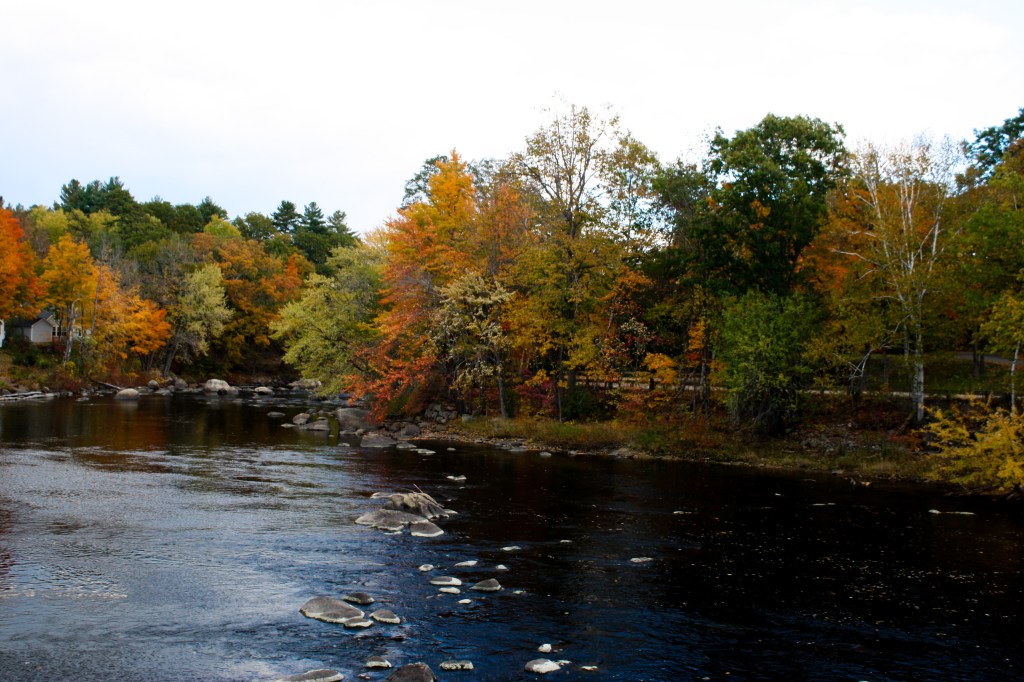
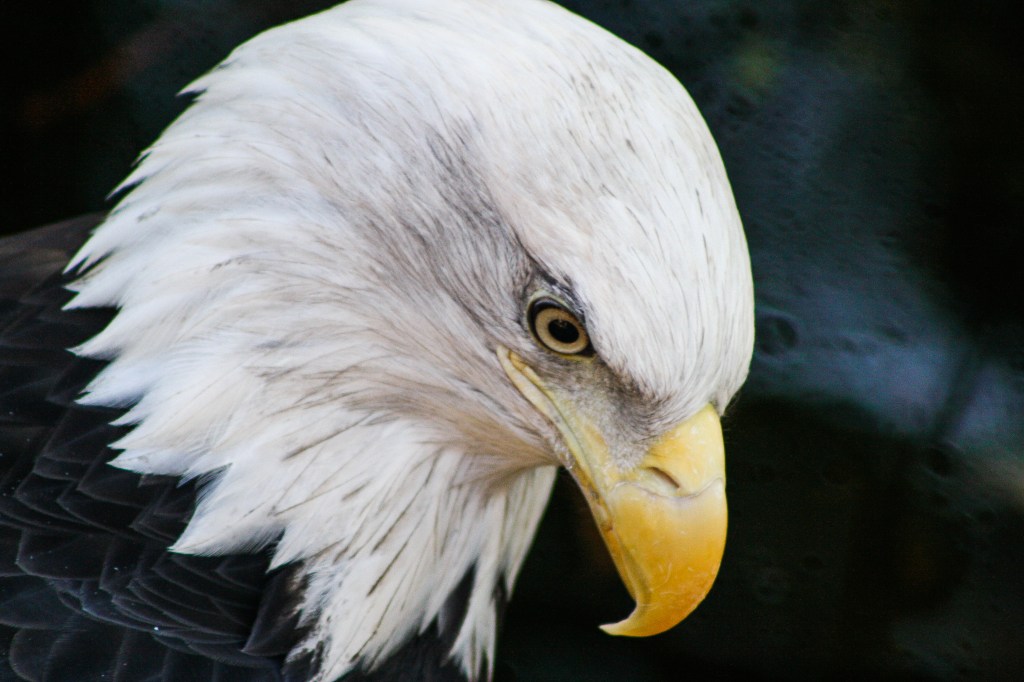
These birds are a conservation success story, after being protected under the Endangered Species Act, the bald eagle populations in the lower 48 states have been down listed to “threatened”. Habitat protection afforded by the Endangered Species Act, the federal government’s banning of DDT, and conservation actions taken by the American public have helped bald eagles make a remarkable recovery. It’s estimated that there are now at least 9,789 nesting pairs of bald eagles in the United States. However these majestic birds are still at risk due to habitat loss, toxins, and pollution. Although they have been removed from the list of endangered species, the bald eagle will still be protected by the Migratory Bird Treaty Act and the Bald and Golden Eagle Protection Act. Both laws prohibit killing, selling or otherwise harming eagles, their nests, or eggs.
 A Life Full of Laughter